
The Art and Science of Advertisement: A Comprehensive Guide to Mastering Modern Marketing

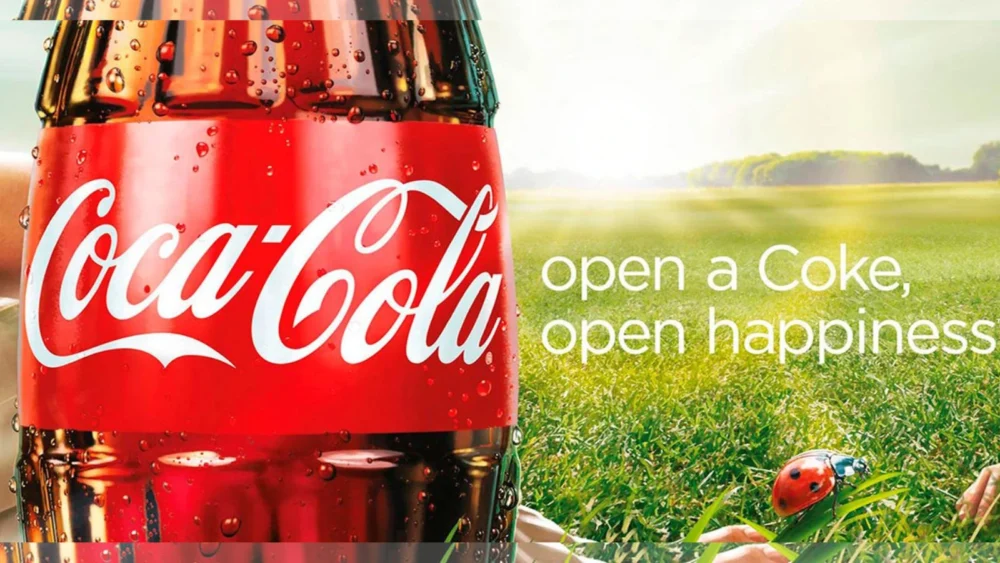
Advertisement plays a pivotal role in modern society, driving the economic engine of both small businesses and large corporations. It’s the bridge between a brand and its audience, a powerful tool that shapes perceptions, fosters brand loyalty, and influences purchasing decisions. From print ads to digital campaigns, advertising has evolved significantly, incorporating new strategies, technologies, and platforms that continue to shape how businesses communicate with their audiences.
In this article, we will delve deep into the multifaceted world of advertisement, examining its history, types, strategies, and the future of advertising. Whether you’re a marketer, a business owner, or simply interested in understanding how ads impact consumer behavior, this guide will provide valuable insights into the nuances of advertising.
The Evolution of Advertisement: A Brief History
The history of advertising can be traced back to ancient civilizations, where the earliest forms of ads appeared in the form of signage, carvings, and posters in public spaces. However, it wasn’t until the industrial revolution that advertising truly began to evolve. The advent of mass production and the rise of newspapers and magazines created the need for businesses to reach a wider audience, leading to the birth of modern advertising.
In the early 20th century, advertising saw a major transformation with the advent of radio and television. These mediums allowed advertisers to reach larger audiences and create more dynamic, engaging advertisements. Fast forward to the digital age, and the internet has revolutionized the advertising landscape with digital ads, social media campaigns, and search engine marketing (SEM). Today, advertisers use sophisticated data analytics to target consumers more precisely than ever before.
Key Milestones in Advertising History
- Early Print Advertising: The first known advertisement, published in a London newspaper in 1704, was a legal notice for a real estate auction.
- Radio Advertising: The first radio ad aired in 1922, marking the beginning of audio-based advertisements.
- Television Advertising: The first TV commercial, broadcast in 1941, heralded the rise of visual storytelling in advertising.
- Digital Revolution: The 1990s saw the emergence of online ads, with Google’s search engine ads launching in 2000, ushering in a new era of digital advertising.
Types of Advertisement: A Diverse and Expansive Field
In today’s world, advertisements come in a multitude of forms, each tailored to different platforms, audiences, and goals. Understanding the different types of advertisements is essential for crafting a well-rounded marketing strategy. Below are the primary forms of advertising used today:
1. Print Advertising
Print advertising includes traditional media like newspapers, magazines, brochures, and flyers. Though digital advertising has taken a significant share of the advertising budget, print ads still hold a unique place, especially in niche markets or for local businesses. Print ads offer tactile engagement and are highly targeted when placed in specialized publications.
- Advantages: Tangible, high engagement in niche markets, long shelf life.
- Disadvantages: Higher cost, limited reach.
2. Broadcast Advertising
Broadcast advertising encompasses television and radio ads. Despite the rise of digital advertising, TV ads are still incredibly effective in terms of brand recognition and reaching a broad audience. Radio ads, on the other hand, offer a more intimate listening experience and allow advertisers to target specific geographic areas.
- Advantages: Wide audience reach, strong brand recognition.
- Disadvantages: Expensive, limited targeting.
3. Digital Advertising
Digital advertising refers to ads served on the internet through platforms like Google, social media, and websites. It includes display ads, video ads, search engine marketing (SEM), and social media ads. Digital ads are highly customizable and offer advertisers the ability to target specific demographics with precision.
- Advantages: Cost-effective, measurable, high targeting precision.
- Disadvantages: Can be seen as intrusive, ad fatigue.
4. Outdoor Advertising
Outdoor advertising, also known as out-of-home (OOH) advertising, includes billboards, transit ads, and digital screens in public spaces. Outdoor ads are ideal for building brand awareness and reaching consumers on the go.
- Advantages: High visibility, broad audience reach.
- Disadvantages: Limited targeting, high upfront costs.
5. Influencer Advertising
With the rise of social media, influencer advertising has become a powerful tool for brands to reach younger, more engaged audiences. Brands partner with influencers who have a strong following on platforms like Instagram, YouTube, and TikTok to promote their products in an authentic, relatable manner.
- Advantages: Trust-based marketing, highly targeted audience.
- Disadvantages: Potential for influencer missteps, costly partnerships.
6. Native Advertising
Native advertising involves creating content that blends seamlessly with the platform or environment it appears in. Examples include sponsored blog posts, articles, or videos that resemble editorial content. This type of advertising is less intrusive and often receives higher engagement compared to traditional display ads.
- Advantages: Non-intrusive, higher engagement rates.
- Disadvantages: Can be perceived as misleading, expensive.
Key Strategies for Effective Advertising
Crafting an effective advertisement requires a deep understanding of your audience, brand, and message. Successful advertising campaigns utilize a combination of strategy, creativity, and data to deliver compelling messages to consumers. Below are some of the most effective strategies used in modern advertising:
1. Targeted Advertising
One of the biggest advantages of digital advertising is the ability to target specific audiences. Advertisers can segment their audience based on demographics, behavior, interests, and location. By targeting the right audience, advertisers ensure that their messages are relevant and impactful.
- Examples: Google Ads, Facebook Ads, Programmatic Ads.
2. Emotional Appeal
Advertisements that evoke emotions tend to be more memorable and impactful. Whether through humor, empathy, or inspiration, emotional appeals can create a deeper connection with the audience, making the message more persuasive.
- Examples: Coca-Cola’s heartwarming holiday commercials, Nike’s motivational campaigns.
3. Storytelling
Humans are naturally drawn to stories, and advertisements that tell a compelling narrative can capture attention more effectively than those that focus solely on the product. Storytelling helps build brand personality and emotional resonance, encouraging long-term relationships with consumers.
- Examples: Apple’s “Shot on iPhone” campaign, Google’s “Year in Search” videos.
4. Consistency Across Channels
A successful advertising campaign often involves a mix of different platforms, but consistency is key. Ensuring that your message and brand image remain consistent across television, social media, print, and other channels helps build brand recognition and trust.
- Examples: McDonald’s Golden Arches, Nike’s “Just Do It” slogan.
5. Data-Driven Decisions
Data plays a crucial role in modern advertising. By leveraging consumer data, advertisers can optimize their campaigns in real-time, adjust targeting strategies, and ensure the highest return on investment (ROI). Analytics tools like Google Analytics, Facebook Insights, and A/B testing are essential for measuring and improving ad performance.
- Examples: Dynamic ads on Facebook, personalized email marketing campaigns.
The Future of Advertisement: Trends and Innovations
As technology continues to evolve, so does the advertising landscape. The future of advertising will likely involve more personalized, interactive, and immersive experiences. Below are some trends and innovations that are shaping the future of advertising:
1. Artificial Intelligence and Machine Learning
AI and machine learning are transforming advertising by enabling hyper-targeted campaigns, predictive analytics, and dynamic content creation. These technologies allow advertisers to optimize ad delivery in real-time and predict consumer behavior with greater accuracy.
2. Augmented Reality (AR) and Virtual Reality (VR)
AR and VR are taking advertising to the next level by creating immersive experiences for consumers. From virtual try-ons for clothing and makeup to interactive product demos, AR and VR offer advertisers an innovative way to engage with their audience.
3. Voice Search and Smart Devices
With the rise of voice-activated assistants like Amazon Alexa and Google Assistant, voice search is becoming an important factor in advertising. Brands are exploring ways to integrate voice search optimization into their advertising strategies to stay ahead of the curve.
4. Sustainability in Advertising
Consumers are becoming increasingly conscious of the environmental and social impact of the brands they support. As a result, advertisers are incorporating sustainability messages into their campaigns and embracing eco-friendly practices in their advertising efforts.
Frequently Asked Questions (FAQ)
1. What is the difference between traditional and digital advertising?
Traditional advertising refers to methods like print ads, TV commercials, and radio spots, while digital advertising involves online platforms like social media, search engines, and websites. Digital advertising offers more precise targeting and real-time analytics.
2. How do advertisers use data to improve campaigns?
Advertisers use data to segment their audience, track engagement, optimize ad delivery, and personalize content. This helps them reach the right audience with the right message at the right time.
3. What are some examples of emotional advertising campaigns?
Coca-Cola’s holiday commercials, Nike’s “Dream Crazy” ad, and John Lewis’s Christmas ads are all examples of emotional ads that resonate with viewers by evoking feelings of warmth, inspiration, and empathy.
4. How is artificial intelligence changing advertising?
AI is helping advertisers create personalized ads, predict consumer behavior, optimize ad performance, and automate the process of campaign management. It’s revolutionizing the way brands interact with consumers.
5. What is the role of influencer marketing in advertising?
Influencer marketing involves partnering with individuals who have a strong online presence and influence over a target audience. By leveraging their credibility and reach, brands can promote their products in a more authentic and relatable way.
6. What is native advertising?
Native advertising is a form of paid content that blends seamlessly with the platform it appears on, making it less intrusive and more engaging for the audience. Examples include sponsored articles and videos that resemble editorial content.

Comments are closed.