

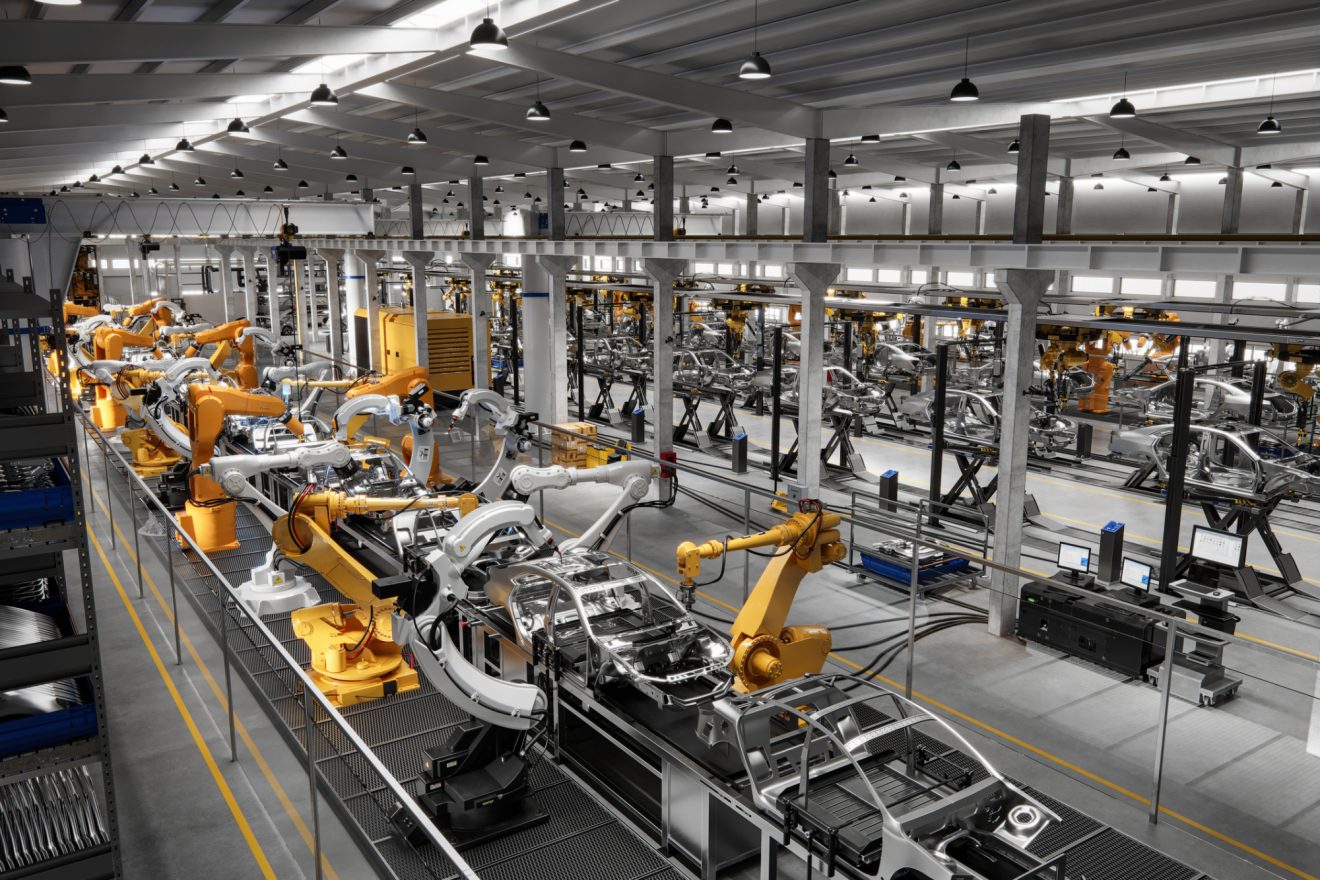
The term “industry” is widely used in the world of business, economics, and finance, but it represents more than just a category of economic activity. Industries are the backbone of modern economies, playing a pivotal role in job creation, innovation, and the distribution of goods and services across the globe. Understanding the evolution, structure, and forces influencing industries is crucial for businesses, policymakers, and economists alike. In this article, we will explore the concept of industry, the various types of industries, and the key factors that shape and define them in today’s rapidly changing world.
What Defines an Industry?
An industry is generally defined as a specific group of businesses that produce or supply similar products or services. These businesses often share common characteristics, such as similar production processes, target markets, or regulatory frameworks. Industries can be categorized in numerous ways, depending on the criteria used—such as by product type, service sector, or geographical market.
Types of Industries
Industries can broadly be divided into three primary sectors based on the type of economic activity they encompass:
- Primary Industry: This includes industries involved in the extraction and collection of natural resources. Examples are agriculture, mining, and forestry. These industries form the foundation of an economy by providing raw materials needed for the secondary and tertiary sectors.
- Secondary Industry: Often referred to as the manufacturing or industrial sector, this includes industries involved in transforming raw materials into finished goods. Examples include automobile manufacturing, electronics, and construction.
- Tertiary Industry: Also known as the service sector, this includes businesses that provide services rather than goods. Examples are healthcare, education, retail, and information technology. The tertiary sector has grown significantly in developed economies, reflecting the shift toward service-based economic activity.
Quaternary and Quinary Sectors
Beyond the traditional three, industries can also be classified into two emerging sectors:
- Quaternary Sector: Focused on knowledge-based activities, including information technology, research and development (R&D), and financial services. This sector plays a critical role in driving innovation and advanced business processes.
- Quinary Sector: Encompasses industries involved in high-level decision-making, including executive roles, education, scientific research, and non-profit organizations. Professionals in this sector typically provide specialized expertise and influence long-term business strategies.
The Evolution of Industry: Historical Context and Modern Shifts
Industries have evolved significantly over time, adapting to changes in technology, market demand, and economic conditions. The historical evolution of industries can be broken down into several key phases, each of which marked significant shifts in the global economy.
The Agricultural Revolution
Before the Industrial Revolution, most societies were predominantly agrarian, with the primary industry being agriculture. This phase was characterized by manual labor and limited technological advancement. However, with innovations like the plow and irrigation systems, agricultural productivity improved, setting the stage for later industrial advancements.
The Industrial Revolution
The Industrial Revolution, which began in the late 18th century, was a transformative period for industries worldwide. It marked the transition from agrarian economies to industrial ones, powered by technological advancements such as steam engines, mechanized spinning, and factory production. Key industries, such as textiles, coal, and iron, grew rapidly during this time, fostering urbanization and the rise of new manufacturing hubs.
Post-Industrial Society
In the mid-20th century, many developed economies experienced a shift from manufacturing-based economies to service-based economies. As automation and technological advances made manufacturing processes more efficient, industries like healthcare, education, finance, and information technology began to dominate. This shift is often referred to as the “post-industrial society” and is characterized by a greater emphasis on services, information, and knowledge-based industries.
The Digital Revolution
Today, industries are undergoing another dramatic shift, driven by the digital revolution. The advent of the internet, artificial intelligence (AI), and automation has reshaped many industries, allowing businesses to streamline processes, reach global markets, and create new products and services. Industries like fintech, e-commerce, and digital media have become dominant forces in the global economy, while traditional sectors are increasingly adopting digital technologies to remain competitive.
Key Drivers Shaping Industries in the Modern Era
Several key factors influence how industries develop and adapt to changes in the market. These factors include technological advancements, globalization, changing consumer preferences, regulatory environments, and environmental concerns.
Technological Advancements
Technology has always played a critical role in shaping industries, but in the 21st century, it has accelerated the pace of transformation. From automation in manufacturing to the rise of artificial intelligence and the Internet of Things (IoT), technology is reshaping industries in profound ways.
- Automation and AI: In sectors like manufacturing and logistics, automation is driving down costs, improving production efficiency, and enhancing product quality. AI is also being used in sectors such as finance, healthcare, and retail to analyze data, optimize processes, and improve customer experiences.
- Blockchain and Cryptocurrency: Blockchain technology is revolutionizing industries related to finance, supply chain management, and even healthcare. Cryptocurrencies, like Bitcoin and Ethereum, have disrupted traditional financial systems and are pushing industries to reconsider traditional currency models.
- Sustainability Technologies: As global concerns over climate change grow, industries are investing in green technologies, renewable energy, and sustainable practices. The push for sustainability is prompting significant changes in industries like automotive, energy, and agriculture.
Globalization and Supply Chain Networks
Globalization has led to an increasingly interconnected world, with industries benefiting from broader markets and access to cheaper labor and resources. This interconnectedness is particularly evident in manufacturing industries, where global supply chains allow businesses to source raw materials and components from various parts of the world.
- Outsourcing and Offshoring: Many companies have relocated parts of their operations to countries with lower labor costs. This trend has been particularly prominent in the textile, electronics, and automotive industries, where large portions of production are outsourced to regions like Southeast Asia and China.
- Global Markets: The expansion of e-commerce has opened up global markets for even small and medium-sized enterprises (SMEs). Businesses can now sell their products to customers worldwide, while consumers have access to a greater variety of goods at competitive prices.
Changing Consumer Preferences
Modern industries are increasingly driven by consumer demand, with businesses having to adapt to rapidly changing tastes and preferences. Consumers today are more informed, socially conscious, and demanding than ever before, which has forced companies to innovate and cater to a variety of needs.
- Personalization: Consumers expect personalized experiences, whether it’s in retail, entertainment, or healthcare. Industries are leveraging data analytics, AI, and machine learning to deliver tailored services and products based on individual preferences.
- Sustainability and Ethical Consumption: Modern consumers are increasingly aware of the environmental and ethical implications of their purchases. As a result, industries such as fashion, food, and technology are being forced to adopt more sustainable practices, like sourcing eco-friendly materials and reducing waste.
Regulatory and Political Factors
Industries must also navigate a complex regulatory landscape, with rules and policies that vary across regions and change frequently. Regulatory frameworks impact everything from product safety standards to environmental sustainability to labor laws.
- Environmental Regulations: As the world confronts climate change, industries are facing stricter environmental regulations. Many countries are implementing carbon emission targets and incentivizing companies to adopt cleaner technologies and practices.
- Trade Policies: Trade agreements, tariffs, and international trade relations can significantly affect industries involved in importing and exporting goods. For instance, changes in trade policies can impact supply chains, production costs, and market access.
Environmental Sustainability
As awareness of environmental issues grows, industries are under increasing pressure to adopt sustainable practices. Consumers and investors are pushing for companies to prioritize environmental, social, and governance (ESG) factors in their operations. Industries such as energy, transportation, and manufacturing are particularly impacted by the push for sustainability.
- Renewable Energy: The energy sector is undergoing a transformation, with a growing shift towards renewable energy sources such as wind, solar, and hydroelectric power. Companies are investing heavily in green technologies to reduce their carbon footprints and meet sustainability goals.
- Circular Economy: In response to concerns about waste and resource depletion, industries are embracing the concept of a circular economy, where products are designed for reuse, recycling, and reducing waste.
The Future of Industry: Trends to Watch
As industries continue to evolve, several trends are expected to shape the future landscape of business and economic activity.
Industry 4.0 and Smart Manufacturing
The Fourth Industrial Revolution, or Industry 4.0, refers to the integration of advanced technologies like AI, robotics, IoT, and big data into manufacturing processes. This will result in highly efficient, automated factories that can produce custom products on demand and operate with minimal human intervention.
AI and Automation in Service Industries
While automation has already transformed manufacturing, AI and automation are now making their way into service industries such as healthcare, finance, and retail. Chatbots, virtual assistants, and predictive analytics are enhancing customer service, optimizing operations, and improving overall productivity.
The Growth of the Digital Economy
The digital economy is expected to continue expanding, with industries like e-commerce, digital entertainment, and online education leading the charge. As more businesses go online and digital technologies become deeply embedded in everyday life, industries will increasingly rely on data, technology, and virtual platforms.
FAQs About Industries
1. What is the primary difference between primary, secondary, and tertiary industries?
Primary industries involve the extraction of natural resources, secondary industries focus on manufacturing, and tertiary industries provide services such as healthcare, retail, and education.
2. How does globalization affect industries?
Globalization opens up new markets for industries, allowing them to source materials and labor from around the world, but it also exposes them to greater competition and market risks.
3. Why is sustainability important for modern industries?
Sustainability is critical for industries because it reduces environmental impact, improves long-term profitability, and meets the growing consumer demand for ethical and eco-friendly products.
4. How are technological advancements changing industries?
Technological advancements, such as AI, automation, and blockchain, are improving efficiency, reducing costs, enabling new business models, and transforming how industries operate.
5. What are the key challenges industries face today?
Industries face challenges like regulatory compliance, changing consumer preferences, environmental concerns, and the pressure to innovate in response to technological disruptions.
Conclusion
Industries are the cornerstone of modern economies, with each sector playing a unique role in driving growth, innovation, and sustainability. As industries continue to evolve in response to technological advancements, changing consumer expectations, and global challenges, the future promises exciting opportunities for businesses and entrepreneurs alike. Understanding the dynamics of industries and the factors that shape them is essential for navigating this rapidly changing landscape. By embracing these forces, companies can thrive and remain competitive in an increasingly interconnected and digital world.

Comments are closed.