

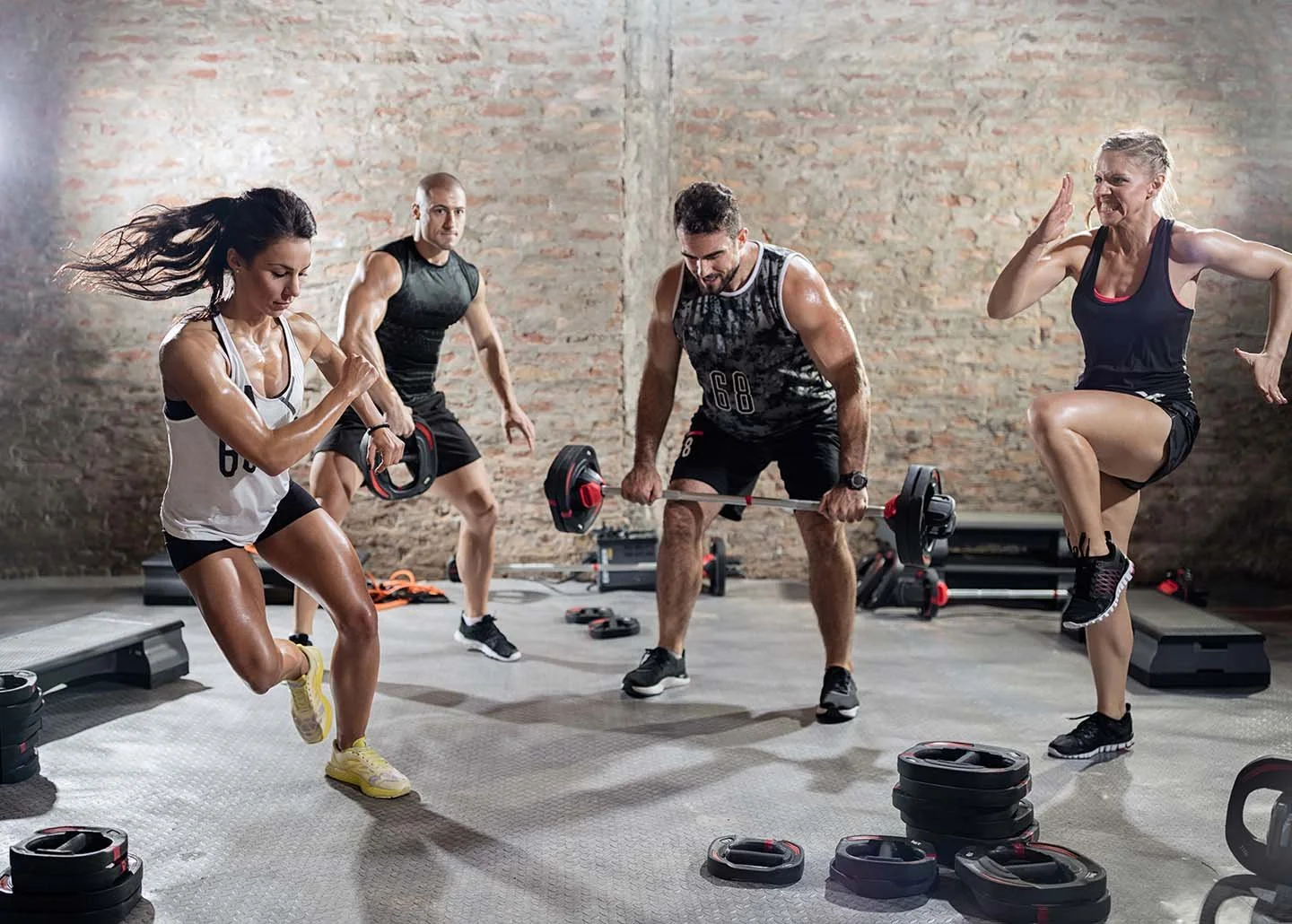
Corporate wellness is no longer a perk but a necessity in Singapore’s competitive business landscape. Companies are recognising that healthy employees are more productive, less prone to absenteeism, and more engaged in their roles. While traditional wellness programmes often focus on health screenings or subsidised gym memberships, many organisations are now adopting fitness hiit training as a cornerstone of their strategies. The efficiency, scalability, and measurable results of HIIT make it an ideal choice for today’s corporate culture.
The Growing Emphasis on Corporate Wellness in Singapore
Singapore’s workforce is known for its dedication, but this comes with challenges. Long working hours, sedentary desk jobs, and high stress levels have contributed to rising cases of obesity, cardiovascular disease, and mental health issues. The government has emphasised workplace health promotion through initiatives under the Health Promotion Board, encouraging organisations to take proactive steps. For businesses, investing in wellness is not just socially responsible but also financially beneficial, reducing healthcare costs and improving overall performance.
Why HIIT Appeals to Corporate Structures
HIIT sessions are time-efficient, usually lasting 20 to 30 minutes, which suits the schedules of busy professionals. Unlike lengthy gym workouts, HIIT can be easily integrated into the workday, whether before office hours, during lunch breaks, or after work. Its scalability means routines can be adapted for beginners or advanced participants, making it inclusive for diverse teams. Group HIIT also fosters team spirit, creating bonding opportunities outside the boardroom.
Productivity Gains Through HIIT
Research shows that employees who exercise regularly are more focused, energetic, and resilient to stress. HIIT, with its intense bursts of effort, stimulates endorphin release, improving mood and reducing mental fatigue. For Singaporean corporates, where productivity is paramount, these benefits translate into sharper concentration, fewer errors, and more innovative thinking. Short HIIT sessions before a big meeting or in the middle of a demanding project can reset energy and enhance performance.
Reducing Absenteeism and Healthcare Costs
Unhealthy employees contribute to rising medical claims and absenteeism, which can affect company bottom lines. By adopting HIIT-based wellness programmes, companies encourage better cardiovascular health, stronger immunity, and healthier weight management. These improvements reduce the incidence of chronic diseases, lowering both absenteeism and long-term healthcare expenses. For businesses managing tight margins, preventive health measures like HIIT offer a clear return on investment.
HIIT as a Stress-Relief Tool for Employees
Corporate stress is one of the leading causes of burnout in Singapore. HIIT provides an outlet for stress through intense physical activity that releases tension. The combination of physical exertion and endorphin release helps employees return to work feeling refreshed and motivated. This benefit is particularly valuable in high-pressure industries such as finance, law, and technology, where stress management can directly impact performance.
The Role of Corporate Culture in Adoption
Companies that prioritise employee wellbeing send a strong message about their values. Offering HIIT sessions as part of wellness programmes shows a commitment to work-life balance. Employees are more likely to stay loyal to organisations that demonstrate care for their health. Corporate HIIT initiatives also improve employer branding, making companies more attractive to top talent in Singapore’s competitive job market.
How Corporates Implement HIIT Programmes
There are multiple ways businesses incorporate HIIT into wellness strategies:
-
On-site classes: Trainers conduct short sessions in office spaces or nearby fitness facilities.
-
Partnerships with studios: Companies collaborate with fitness centres for employee memberships or exclusive classes.
-
Virtual HIIT programmes: Online classes allow hybrid or remote employees to join in.
-
Team challenges: Group-based HIIT challenges create friendly competition, enhancing engagement.
The flexibility of HIIT makes it easy to tailor to corporate needs, whether for small teams or large organisations.
HIIT and Team Bonding Benefits
Group HIIT classes encourage collaboration and peer support. Employees push each other through challenging routines, building camaraderie and trust. This teamwork dynamic often transfers back into the workplace, strengthening collaboration on projects. For companies aiming to foster cohesive teams, HIIT provides both physical and social benefits.
Corporate Case Examples in Singapore
While specific company names may not always be public, several Singapore-based corporates have reported success with HIIT wellness initiatives. For example, firms in the financial sector have organised lunchtime HIIT sessions for employees, improving productivity during long trading hours. Tech companies have integrated HIIT into virtual wellness programmes to support hybrid workforces. These examples highlight the versatility and effectiveness of HIIT in different industries.
Overcoming Common Barriers
Some organisations hesitate to adopt HIIT due to concerns about intensity or safety. However, with professional trainers adjusting routines to suit fitness levels, HIIT is safe and inclusive. Others worry about time constraints, but the short duration of HIIT makes it easier to fit into work schedules than traditional fitness classes. By addressing these concerns, businesses can unlock the full potential of HIIT in workplace wellness.
The Role of Fitness Studios in Corporate Programmes
Studios like TFX are well-positioned to support corporate wellness. With expertise in group classes and customised programming, they can design HIIT sessions that align with company objectives. Trainers ensure safe execution, track progress, and motivate participants, adding professionalism and accountability. Partnering with established fitness centres also reduces the logistical burden on companies, making implementation seamless.
Long-Term Payoffs for Businesses
Corporate HIIT programmes are not one-off initiatives. Over time, healthier employees reduce healthcare costs, improve morale, and stay longer with companies. Productivity improvements compound as employees become more energetic and focused. The overall corporate culture also shifts toward positivity, where wellness is seen as integral to success rather than a side activity. For companies in Singapore competing globally, these benefits strengthen both workforce resilience and business performance.
Tips for Companies Introducing HIIT
-
Start with pilot programmes before scaling.
-
Involve employees in designing schedules to increase participation.
-
Offer both in-person and virtual options for hybrid teams.
-
Track participation and health outcomes to measure impact.
-
Celebrate milestones to maintain motivation.
FAQs on Fitness HIIT Training in Corporate Wellness
Q. Is HIIT suitable for employees of all ages?
Yes. HIIT can be modified to suit different fitness levels, from young executives to older employees. Trainers ensure everyone participates safely at their own pace.
Q. How often should corporates schedule HIIT sessions?
One to three sessions a week is ideal. This provides health benefits without overwhelming employees’ schedules.
Q. Do corporate HIIT programmes require expensive facilities?
Not at all. HIIT requires minimal equipment and can be conducted in office spaces, meeting rooms, or open areas. Outdoor parks are also excellent venues.
Q. How can companies measure the success of HIIT programmes?
Metrics such as reduced absenteeism, employee satisfaction surveys, and productivity levels provide clear indicators. Companies can also track participation rates and health improvements.
Q. Can virtual HIIT programmes be as effective as in-person ones?
Yes. With professional guidance, virtual HIIT classes deliver the same intensity and community feel. They are especially effective for hybrid workforces common in Singapore.

Comments are closed.